Hard times are always better managed if you start getting ready for them early. However, there’s a fine line to walk between being a survivalist prepper, and a rational person making sensible choices for an uncertain future. With that in mind, these are some ways we think regular people can be spending a small amount of energy today in case they need a big help tomorrow.
In particular, none of these investments:
- break the bank
- are big time sink
- alienate you instead of connecting you to others (no wearing gas masks in the bunker)
- make your life today worse (some even make life better)
Charging Batteries – Food Plants for Later
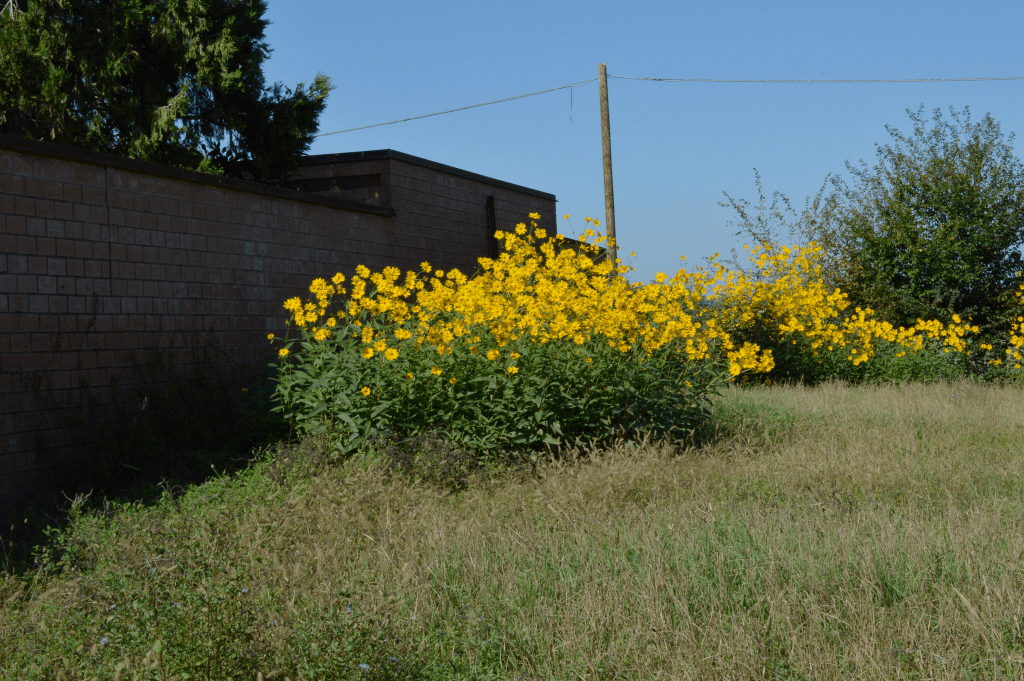
Although many highly productive food plants have a distinct harvest season, some can be eaten any time of year (even if some seasons have better yields or flavors than others). These harvests are typically plant storage organs they use to keep a supply of nutrients – a lot like body fat in animals – and are usually roots safely buried underground. Of these plants we are interested in those which are perennial, and naturally like to spread.
This category of plants we call ‘battery plants’ – because like a battery they can be charged up and then used whenever you need them. In order to get ready for hard times it’s a great idea to plant battery plants and give them the space and time to charge. Ideally each community would have a dedicated space for these plants a a communal food storage that’s even longer-term than the cans in the pantry.
Because these plants take up a lot of space they may need buy-in from communities in order to get them planted at scale. This means that they can be a great way to bring a community together, spending time outdoors, doing therapeutic work together (gardening is very good for mental health).
To help readers make their pitch for planting, here’s a list of battery plants and arguments for why they’re excellent:
Note: All of these plant species are defined in detail in the Wild Tending for Food chapter.
- Sagittaria latifolia – A beautiful wetland wildflower that spreads on the banks of rivers and lakes. The main character in the hunger games is named after the indigenous word for them – “Katniss” – and the arrow-headed leaves.
- Helianthus tuberosus – Perennial sunflower that requires no care. Plant once and ignore and you’ll have wild sunflowers forever! You can chop them halfway down in the summer to keep them shorter, and mow around the edges to help reduce them spreading. Pollinators love them.
- Apios americana – a beautiful native vine that has orchid-like flowers, some say the blossoms smell like chocolate. Unlike wisteria the vines never form bark and so can be cleared every year and won’t damage structures. It also increases the fertility of the soil because it’s a species of bean.
- Typha latifolia – the cat tail everyone thinks about when they imagine wetlands. Helps to keep water clean. They make you think about this song that makes you want to eat them like corn dogs (it doesn’t work, don’t do this). NOTE: Make sure you pick a plant that’s proven to not be invasive! choose a reputable plant dealer with known species source (many hybrids are invasive, and people sell hybrids by accident).
- Nelumbo lutea – water lotus. The largest flower in north america. They’ll spread easily in ponds helping to produce shade that reduces invasive aquatic plants and help regulate water temperature for fish. NOTE: keep this in small ponds where people won’t mind them getting covered in the flowers, don’t plant in lakes where they could get out of control and shade out wildlife.
Make sure for all battery plants you are choosing plants native to your area, are suitable to plant in the location (These can be quite aggressive and shouldn’t be put in high-quality habitats), and there’s a plan to keep them managed and under control.
Collaborative Mutual Aid Networks
In situations where systems deteriorate, community networks are the backbone that get people through tough times. Again and again we’ve seen regular people come together to help one another in the wake of disaster. They collect and distribute food, organize rescue squads, create emergency housing, and many more essential services. These networks and the skills to operate effectively can be built well in advance of needing them.
For communities to look out for themselves they need a certain set of skills that are not normally exercised every day. For example – in many places people deal with conflict either by leaving the situation, fighting / online canceling, or calling an authority like a lawyer or cop. That means if a situation comes up where you depend on one another, the muscles of working out an argument aren’t well developed and may not rise to the occasion.
Mutual aid networks are great places to train up these weaker skills. Unlike typical charity or community groups, mutual aid is focused on getting networks of peers to support one another without a central authority figure. That forces the members to practice essential skills like:
- Connecting with vulnerable neighbors like the elderly or disabled (who desperately need community during hard times)
- Distributing resources fairly
- Managing conflicts respectfully without bringing in an outside authority
- Cooperative decision making
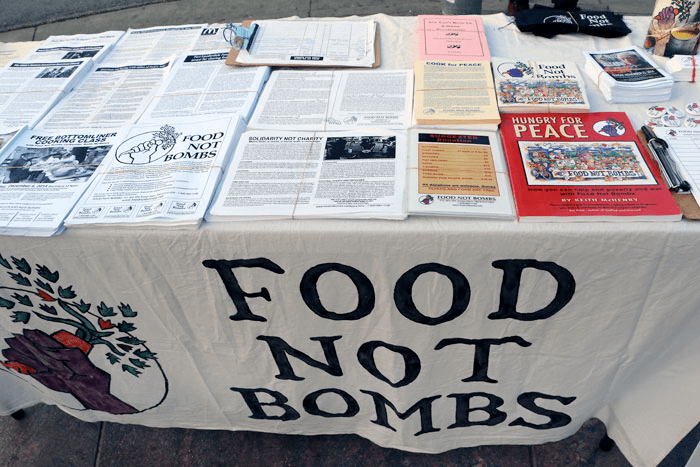
Food not bombs (FNB) is a great example of this model that’s focused on food justice. In FNB people prepare and serve food in public, allowing anyone who wants a meal to come have a plate. This usually means that a lot of unhoused and addicted people visit and socialize while eating the food, and sometimes unsupportive neighbors or business owners call the police. This sounds stressful – but it forces the members of the chapter to practice establishing bonds with vulnerable people on the street, and learn conflict de-escalation with neighbors and police.
Ultimately in times of scarcity we don’t get to choose who’s our neighbor, who might need our help, or who might be in a position to help us. It could be that a person sleeping on the street is an ally that knows where to go during a bad storm, and an angry neighbor might be the one who most needs to know that information. Learning to connect with radically different people, and work together effectively, is of tremendous value during hard times.
Moreover, the existing systems communities rely on to solve these problems (like food stamps, halfway houses, homeless shelters, addiction centers) have lots of red tape. During hard times we need ways to support each other that can be activated and scaled up quickly. You’ll help a lot more people by organizing a wool blanket drive after a winter storm, than waiting on the phone for a FEMA worker to talk through the problem with you. Mutual aid networks help members practice these rapid decentralized responses to community issues.
 Thriving in Scarcity : A book about living well in hard times
Leave a comment