With careful planning and effort we can make nourishing enjoyable meals even during times of scarcity. Many traditional foods come from hard times, when people had to get creative to fill more plates.
It’s tough to stretch a few humble ingredients into hearty meal. Some people have been taught by older folks, or learned through trial and error. In this section we’ll go over the basics for those who haven’t yet learned these skills.
Anatomy of a Meal
Many dishes around the world are composed of 3 key ingredients
- Fruits & veggies
- Protein (when available)
- A cheap nourishing carbohydrate
This simple adaptable pattern is an easy way to build tasty filling dishes from humble ingredients, and stretch those ingredients across more meals.
Here are some examples of this 3-ingredient pattern from a range of cooking traditions:
| Dish | Fruit/Veggies | Protein | Carb |
| Gyro | Lettuce, Tomato, Onion | Chickpeas | Wheat Bread |
| Beef Stew | Seasonal Vegetables | Beef | Potato |
| Sope | Lettuce, Tomato, Onion | Refried Beans, Cheese | Corn Tortilla |
| Haleem | Fresh Herbs | Lamb | Barley |
| Sushi | Seasonal Vegetables | Fish | Rice |
| Borscht | Seasonal Vegetables | Meat, Eggs | Tubers |
| Soup Joumou | Squash | Meat | Potatoes |
| Bibimbap | Seasonal Vegetables | Beef | Rice |
| Jolof Rice | Tomatoes, Onions, Chilies | Meat | Rice |
| Mofongo | Seasonal Vegetables | Pork | Plantain |
| Pho | Aromatic greens and sprouts | Beef or Chicken | Rice Noodles |
| Succotash | Seasonal Vegetables | Beans | Corn |
| Pad Thai | Fresh Herbs | Shrimp, Peanuts, Eggs, Tofu | Rice Noodles |
As you can see, many of these foods start with a base of a starch which is the majority of the meal. It’s then mixed with a small amount whatever protein can be acquired, and topped off with fresh vegetables that complement the flavors.
While often being meat, proteins also sometimes consist of beans, dairy, eggs, and nuts. When meat is not accessible or a part of your diet, these other proteins can support you – like they have numerous other people throughout history.
Fruits and vegetables are often included based on whats seasonally available and works well with the meal. A savory dish might include more bitter veggies, while a dessert has more sweet fruits. But even those lines are sometimes blurred depending on the local traditions – carrots for example are used in both hearty soups and in sweet cakes. What matters is taking what’s available and seeing how it can fit into the dishes.

By rotating available ingredients in different combinations, and using a starch as the foundation of the meal, you can build a variety of dishes that taste good and nourish your body. For example, using just a few ingredients, we can make these meals:
- Rice & Beans
- Rice & Vegetable Soup
- Rice Bowl with Cooked Carrots and Beans
- Chili & Toast
- Fried Egg Sandwich
- Egg Salad Sandwich
- Fried Egg & Toast with Side Salad
- Rice bowl with Greens + Eggs
- Fried Rice
- Risotto with Runny Eggs
In each case, the protein (eggs and beans) are stretched across more meals by filling in available vegetables (tomato, lettuce, onion, carrot) and padding the meal with a cheap starch (bread and rice).
Finding the right proteins, fruits and veggies, and carbs, will depend on what’s available and makes sense with your personal bodily needs and preferences. By checking these three boxes in a way that makes sense for you, it’s possible to build a rich and varied diet that’s enjoyable.
Potatoes and Rice
While cultures around the world have utilized unique local carbohydrates as the base of their meals, we are going to focus on two – the Potato and White Rice – as they have some incredible traits we’ll discuss in just a moment.
However, it’s important to remember that your circumstances are unique. If you have cultural or local traditions which involve other starches (such as corn, plantain, yuca, etc) do not feel obligated to focus on other starches. What’s important is that you stay fed, and local traditions are tried and true.
White Rice – the Savings Account
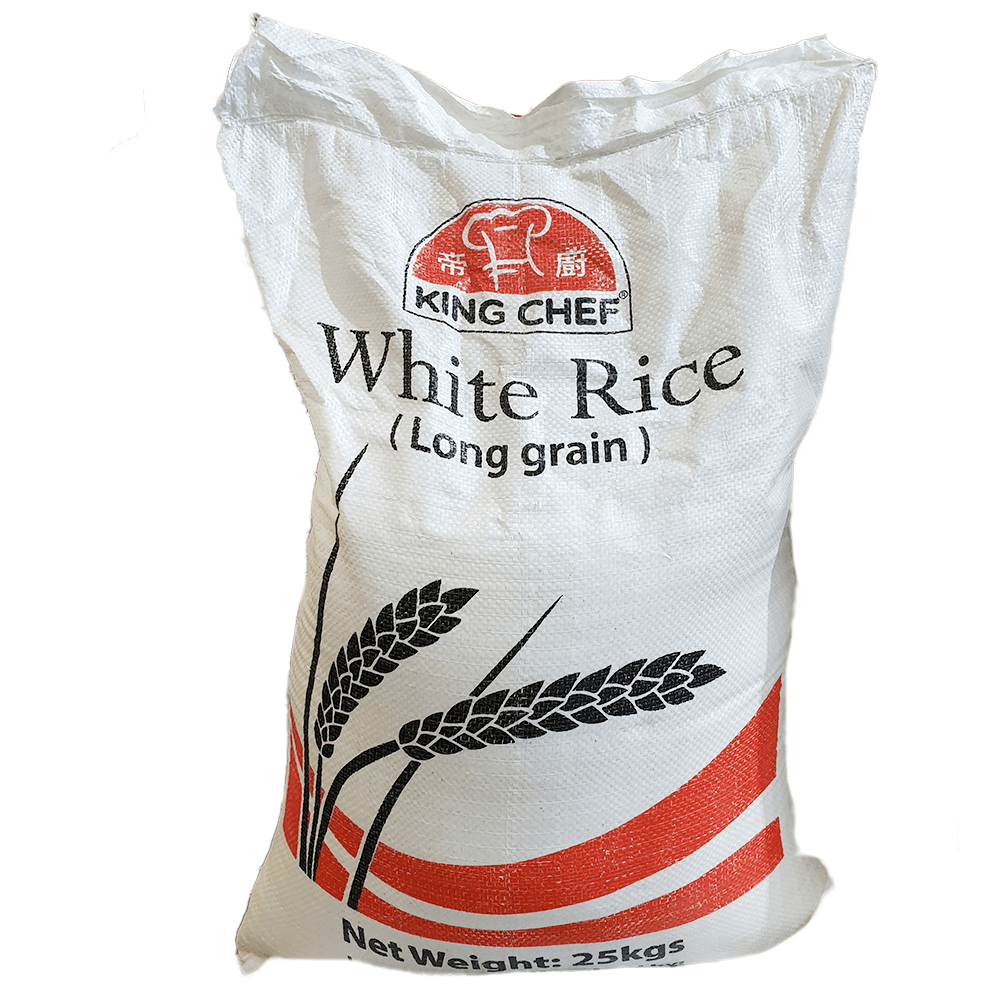
Food is almost always cheaper or easier to get in bulk. Storable food in particular typically the best option to collect in large amounts. This is because unlike fresh food, you can buy a lot at once (enjoying the bulk discount when sold more cheaply) and know it won’t rot before you can eat it. For those who have access to free food, storable items let you rest easy – as long as there’s a full pantry you won’t go hungry.
Not all food stores well. Everything on the shelf has a finite period of time it can eaten safely, and an even shorter period of time when it’ll taste great. Generally speaking, very dry food that’s low in fat has the longest shelf life. This is because fat eventually turns rancid and degrades the flavor, and moisture allows bacteria and other illness causing microbes to grow.
White rice is unique in that it’s so low in moisture and fat that it stores extraordinarily well – if properly prepared, it can last on a pantry shelf for a decade. All rice is dried before storage, and white rice is just brown rice with the bran layer removed – that bran is primarily fat – making store bought white rice moisture free and fat free.
In a later chapter we’ll talk in greater detail about how to store food in bulk so it stays safe and tasty in deep storage. But for white rice you plan to use in a few months it’s fine to just tuck the bag away somewhere in a sealed plastic or glass container.
Potatoes – the Perfect Food
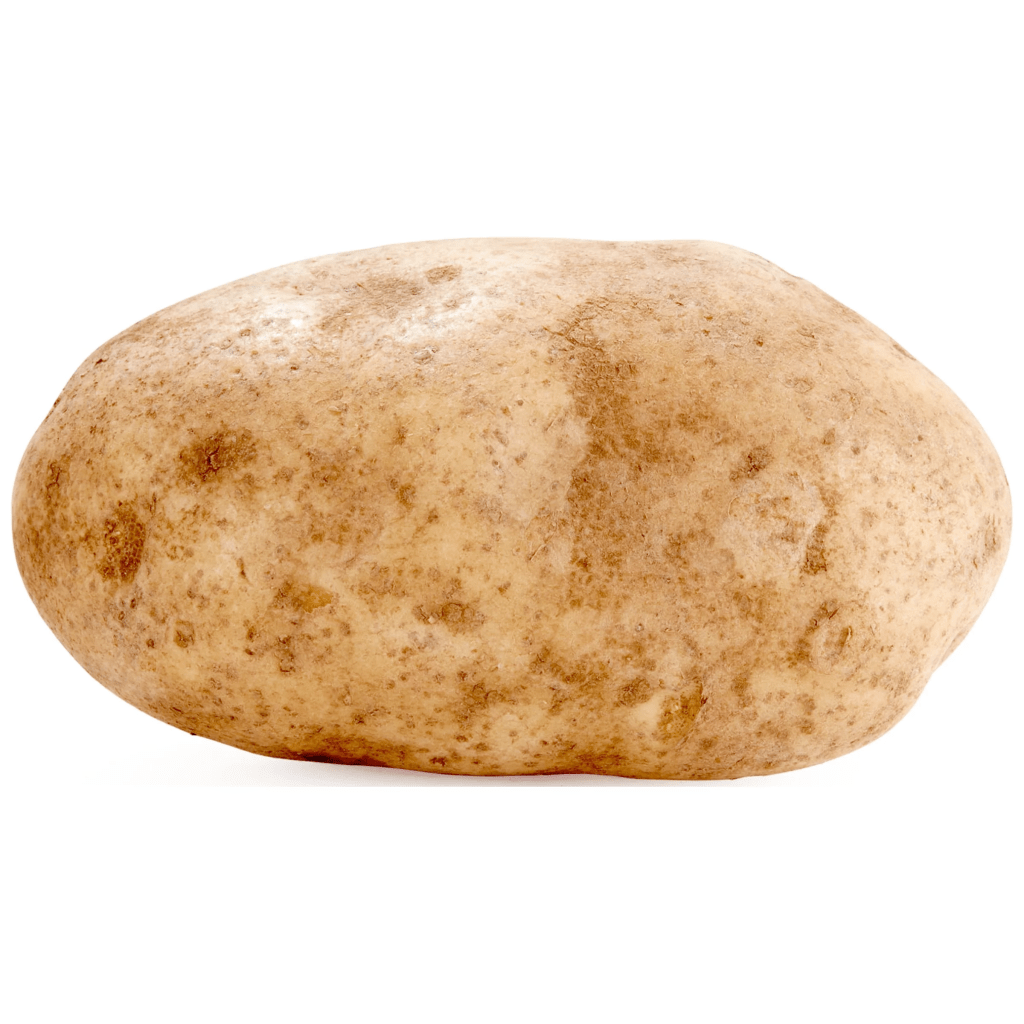
If you had to rank the most important human events in all of history, the domestication of the Potato may be near the top. When the farmers in the Andes Mountains started growing the potato around ten thousand years ago they were developing a crop unique in several ways. Aside from the specific growing conditions (cool weather, similar to Northern Europe where it would later be grown in bulk), it contained a rich density of nutrients.
Unlike other carbohydrates, the potato contains almost every vitamin and mineral required for human life. The missing nutrients (vitamin A, some trace minerals, fat, protein) are easily met by adding some butter or oil, and eating some vitamin rich foods like sweet potatoes or cooked greens. Even without those extra ingredients, a diet of just potatoes can sustain you for a long time. This means even during hard times, if you can find and eat potatoes, you can know you’re giving your body an incredible nourishing food that provides almost everything it needs.
When stored in a cool dry place, potatoes can last a few months. Unlike white rice they need to be included in meals regularly so you eat them before they go bad. But they tend to be super cheap and easy to get at grocery stores and food banks. At the time of writing, a 5lbs bag of potatoes costs under $5. This provides almost all the nourishment you need for an entire day if you only eat potatoes (around 90% of most people’s calorie needs).
Potatoes also provide a double benefit (as we’ll see in the case study below) – they are currently the most filling food that science knows about. This means that a meal with potatoes as the starch base, will leave you feeling full and comfortable for longer – especially if you pair it with fat, protein, and fiber, which all stretch out the time your body spends digesting. One traditional way people get all those factors in a single meal is a stew with potatoes, greens, cooked with a meaty soup bone like oxtail or shanks.
Case Study: Filling Foods
Holt, Susanne HA, et al. “A satiety index of common foods.” European journal of clinical nutrition 49.9 (1995): 675-690.
Researchers in this study fed students different foods and then waited 15 minutes, before allowing them to freely eat for the rest of the day. They were trying to determine which foods are the most filling and make people feel the least hungry later.
White bread was assumed to be an ‘average’ food to compare everything against, and was scored at 100. Everything above 100 was more filling, and less than 100 was less filling.
Several factors of note emerged from their research:
- Whole grains were more filling than refined – such as whole wheat pasta and bread, and brown rice.
- Potatoes and fish were the most satisfying foods.
- Desserts and pastries led people to be hungry sooner.
Case Study: Korean Traditional Meals
Kim, Soon Hee, et al. “Korean diet: characteristics and historical background.” Journal of Ethnic Foods 3.1 (2016): 26-31.
The people of the Korean Peninsula have developed unique foodways which have survived war, colonization, and times of extreme scarcity. The cuisine is famous for the fermented vegetables and spices that sustain the people over long cold winters.
The traditional Korean meal (known as Bapsang, meaning rice-table) is an assortment of dishes served together. Rice (Bap) is always served as the center of the meal, accompanied soup or strew (Kuk), and then numerous smaller side dishes (Banchan). greens are typically included (Namul), as well as fermented cabbage (Kimchi) and sauces (Jang).

| Meal Component | English Description |
| Bap | Rice |
| Kuk | Soup / Stew |
| Kimchi | Fermented Cabbage |
| Namul | Greens (sometimes foraged) |
| Banchan | Side dish (vegetable) |
| Banchan | Side dish (protein) |
| Jang | Pickles and Sauces |

As we can see, Korean traditional meals include ingredients less common in contemporary american-style cooking – such as foraged plants, and foods preserved through fermentation and pickling. These are foods which have been adapted from a landscape with difficult long winters, and a retained connection with the outdoors where wild plants are collected and fermentation pots are safely buried underground.
The heartland of the Korean peninsula is excellent rice growing country. This is why rice is front and center in every meal. A close equivalent for European-style cuisines would be the way in which bread, noodles, and pasta are eaten nearly every day.
We can make a few conclusions with all of this in mind:
- Using wild foraged vegetables can be a great way to stretch meals to be more filling and nutritionally dense
- Foods can be converted into storable ingredients using preservation methods (like fermenting and drying)
- Centering a starch like rice and then building a meal with other ingredients is an excellent way to stay fed and enjoy meals
Broths and Stocks
Water is an excellent way to bring out flavors, release nutrition, and stretch a meal to be more filling. People throughout history have used stews and soups as a comfort food during hard times. We can learn from the wisdom of these folks from the past who had to do more with less.
One of the basic components of a soup is the stock or broth – the savory liquid that everything is cooked in. Technically, broth is the name of meat-based liquids, and stock is vegetable based. These need to be cooked slightly differently, so we’ll talk about them separately.
Stocks and broths are made by boiling meat, vegetables, and spices, until a savory liquid is formed. Notably these ingredients can be the worst cuts you normally wouldn’t eat – like peels, tops, bruised areas, bones, and everything that would normally get thrown away. This means you can redirect your trash into another meal instead of letting it go to waste.
Today many people buy vegetables and cuts of meat for their soups and follow careful recipes, but historically this would have been seen as overly complicated and a waste of nice food. Instead the scraps from other meals would be collected and used to make stocks and broths depending on what was around.
Importantly, these stocks and broths can either be used right away in a stew or soup, or be frozen to use at a later time.
Vegetable Stock
To begin making a stock, you need the veggies to boil. Different ingredients add different flavors to stocks. Certain vegetables are tried and true for always tasting excellent once boiled up. Using these ingredients in other meals will allow you to build up a supply to make a high quality stock.
The best stock ingredients include:
- Tomato
- Carrot
- Celery
- Onion
- Garlic
- Mushrooms
- Fresh herbs like thyme, parsley, and sage
Many other vegetables are okay in smaller amounts, and some others are known to make stocks bitter or cloudy looking as you add more and more. Importantly – none will be dangerous, but some will taste worse or look strange. Depending on the hard times you are facing, you may decide the nutrients are worth a stock that might not get five stars.
Bitter vegetables can make bitter stock (when added in high amounts), and include:
- Peppers (both hot and sweet)
- Cruciferous vegetables (plants related to broccoli) which include:
- Cabbage
- Brussels Sprouts
- Broccoli
- Kale
- Collard Greens
- Cauliflower
- Mustard greens
- Bok Choy
Vegetables high in starch will make a cloudier stock, and include:
- Corn and corn cobs
- Potatoes
- Sweet potatoes
- Pumpkin and squash

When you have your ingredients ready, you can boil them for stock. Generally the more water you add, the milder the flavor and less nutrients you have – but a very strong dense stock can be unpalatable. Generally it’s recommended to use as many cups of water as you have cups of vegetables.

At this stage many people add salt and spices like cloves, bay leaves, and black pepper. The amount depends on the cook’s taste. This isn’t necessary but it’s an option if you want to add a punch to the flavors.
Boil the veggies and spices in water for about an hour, and then strain the solids out of the liquid to get your prepared stock. This can then be used immediately, refrigerated for short term storage, or frozen for extended times (usually lasts for about a year)
Meat Broth
Similar to vegetable stock, meat broth was traditionally used to make meals out of ingredients that weren’t good enough to eat alone. Compared to the veggies, you need to cook broths for a long time, and pay a bit more attention to them.
The prime ingredient for broths are bones with a bit of meat on them. This allows you to get incredible flavors and also extract some vitamins and minerals from the bones that you normally wouldn’t eat. Generally speaking you can go to the grocery store and find the cheapest meat available, especially if it has bones in it, and get a good broth out of it. Some people use scraps from rotisserie chicken, beef or pork tails and feet, or fish parts like heads or spines. Whatever is cheap and makes use of meat and bones that would otherwise go to waste are great choices for broth.
To make broth, you simmer meat in water for 6-12 hours. While doing this you may see stuff floating on the surface (called scum), this should be skimmed off and thrown away. Then you add some herbs for seasoning, simmer for a few more minutes, and pour out the liquid through a strainer to get broth. To improve the flavors further you can first brown the meat by roasting, collect vegetables you’d use for stock, and then mix them together for the simmering process.
Food Preservation
Throughout human history people have found ways to take food and make it store for longer. In areas with long difficult winters, this skill is a matter of survival. For those of us who want to live better during hard times, food preservation is a way to make cheap abundant food usable for longer, and know a time of scarcity won’t be horribly unpleasant.
Often in the summer and fall, there are a tremendous amount of fresh foods available – either home grown or overflowing at stores and food banks. Usually you can pick up so much food that it goes bad before you eat everything. These times of abundance are excellent moments to take food and store it away to enjoy later.
However there are always risks with food preservation, and using safe methods is incredibly important to avoid illness or death. The National Center for Home Food Preservation provides recipes, guides, and strategies to make healthy safe preserved foods at home. It’s important to remember that people in the past often got sick or died from improperly preserved food. That means although it can be tempting to follow traditional strategies for food storage, it’s essential to follow the current guidance on food safety in order to avoid dying the same deaths people of the past did – even today 1/3 of global childhood deaths under 5 years old are still due to food poisoning.
Despite the necessary caution we must have with preserved foods, developing the skills is enjoyable and practical if careful instructions are followed. There are a bunch of ways to preserve food. Some require more equipment, electricity, know-how, or only work with certain foods. Knowing which methods work for your lifestyle and taste in foods is a great way to make hard times a little less hard.
Freezing
For most folks who have access to appliances, freezing is the most approachable method of food storage. Even if there are brief electrical outages, a freezer can keep food safe to eat. It’s also worth knowing that a full freezer requires less electricity and stays safer for longer during electrical outages – a half full freezer can keep meat safe to eat for 24 hours, and a full one lasts 48 hours.
There are ‘deep freezer’ appliances that only store frozen food (vs refrigerators that also keep food cool) and takes 75% of the energy that a typical kitchen freezer uses. These are usually ‘chest style’ with a lid opening on the top. Deep freezers also keep food even colder than a normal freezer, letting you store food longer.
Aside from foods we imagine storing in freezers (veggies and meat) there are also other great options. Generally speaking, food tends to get soft when put in the fridge. That means food that’s already soft or can get softened by cooking are great choices for storage by freezing. These can include:
- broths, stocks, and soups
- sauces
- bread and fresh pasta
- doughs
- vegetable proteins like tofu, tempeh and seitan
- hard cheese
Each food has a different amount of time it can be stored safely. Always make sure you date foods before putting them in the freezer, and throw them away once they’ve passed their safety window.
Canning
Cans and jars of food are common at the grocery store, and some of us have parents or grandparents who canned foods at home. Canning is a safe and healthy way to store food if done properly.
Unfortunately many people spread recipes for canning which are not actually safe (known as ‘rebel canning’). These run the risk of food poisoning or potentially deadly infections of botulism. This means it’s very important to follow trusted and reputable recipes – not random youtube videos or what grandma used to do. Canning jar companies often provide these recipes for free, the ball jar company in particular has a very extensive online catalogue. The National Center for Home Food Preservation also has excellent recipes and guidelines available that are backed by scientific research.
There are two primary methods of canning – one is called ‘water bath canning’ and only requires lidded canning jars and a big pot of boiling water, the other is ‘stove top pressure canning’ and requires some specialized equipment (note that electric pressure cookers have not shown to be safe for canning, only the stove top equipment). Often with canning the glass jar can be re-used, but not the special lids. Always follow the recommendations given by the canning company when using their equipment.
Water bath canning can only safely store high acid foods – like tomatoes, jams, pickles, and fruits. This is because the high-acidity keeps dangerous bacteria out of the food. For lower acid foods (like corn, meat, and beans) they need to be cooked at a much higher temperature to kill off the dangerous pathogens in food, which can only be done in a pressure canner. Some foods are not safe to can regardless of the methods available at home, these include breads, dairy products, and purees. It can feel tempting to try and can all the stuff you’d normally buy at the store, but it’s important to know that food company industrial equipment is very different and unlike home canning can safely work with lots of ingredients that are dangerous in home canning.
Due to these safety risks, it’s essential to always follow a recipe and the instructions from the canning company – never assume some foods are safe or unsafe. Use the correct ingredients, canning methods, and cook times. Although this may seem like fearmongering, people can and do die every year from improperly canned foods. However, when done properly, home canning is a safe and excellent way to keep food out of season without using any electricity. As long as you follow the recipes carefully you can trust the food is safe and healthy
 Thriving in Scarcity : A book about living well in hard times
Leave a comment