Eating well is how we keep our bodies healthy and strong. During hard times, we don’t always know where our next meal is coming from. We might not have a lot of control over what goes onto our plates.
This chapter is an introduction to nutrition, and what happens when diets get too narrow.
Macros and Micros
When we eat food, we are getting a range of nutrients that power our body. We can divide our food into what we call Macronutritents and Micronutrients.
Macronutrients
The majority of our food is macronutrients (it’s called macro because it’s most of what we eat), which are the basic building blocks necessary for our body to function. These include:
- Carbohydrates – starches like bread, rice, and potatoes
- Protein – muscle-building foods like meat, beans, tofu, and yogurt
- Fat – rich oily foods like butter, fatty meat, nuts, and olive oil
Fad diets love to focus on macronutrient ratios – like low-fat, high-protein, or low-carb. However, we can find traditional foods from around the world which have different amounts of macronutrients – and people eating those diets live long healthy lives.
For example, the Inuit people in the far north traditionally eat a meat-based diet – with animals composing almost all of their food during certain times of year. A typical meal can consist of almost 50% animal fat.
In comparison, traditional foods in Korea are high in plant products and carbohydrates (typically rice) but low in fat. The Maya and Aztec meanwhile had corn-based diets, supplemented with local fruits, vegetables, and meats.
This all means that popular culture’s focus on macronutrients is not worth paying attention to. Instead people should be focused on getting enough nutrients to feed our bodies and keep them nourished, which is possible using everyday regular foods – including comfort foods people grew up with.
Generally speaking, eating a variety of foods will give us all the nutrients we need. But some traditional diets are lower-variety, and instead get their nutrition through a balance of key ingredients such as animal fats. Those who have access to traditional foods should try to include them in their diets – Both because of how healthy these foods are, but also for enjoyment and as a way to preserve cultural traditions.
People without a connection to a traditional diet shouldn’t feel pressured to focus on macronutrients, except to make sure they eat enough of each.
Micronutrients
With every meal we eat small amounts of vitamins and minerals. Although we don’t need much of these – they’re called micronutrients because they’re a smaller part of our diet compared to macronutrients – if we don’t have enough we risk serious illness.
Diets that are mostly processed or packaged foods generally have lower amounts of micronutrients. There are two main reasons for this. Firstly, vitamins and minerals are highest in fresh fruit and vegetables, and some can be lost when foods are cooked. Second, some processed foods are focused on flavor instead of nutrition, and when they put together a food product don’t prioritize including nutritious ingredients.
Some companies try to have more nutrition in their products by adding vitamins and minerals when preparing foods. This is required by the government for certain foods, but other brands do this as a way to make their products stand out. These foods are labeled as ‘fortified’ or ‘enriched’.
Foods (except fruits and vegetables) labeled as ‘organic’ ‘non-gmo’ or advertised as ‘health foods’ are often not enriched. Confusingly this means that sometimes the healthiest cheap option at the store can be comfort foods instead of expensive ‘healthy’ dishes.
People going through difficulty are at much greater risk of micronutrient malnourishment because of limited options for diversity in their diet, and the frequent necessary reliance on processed foods. Malnourishment from micronutrient deficiencies doesn’t make a person look starved. Instead the symptoms are more vague, like aches and pains or feeling tired. This means this condition is under-recognized – both by the people suffering and from the general population – and can be overlooked.
But as we’ve covered so far (and will go into greater detail in upcoming sections) this is a problem which can be mitigated by regular people equipped with some useful tips and strategies.
Improving Nutrition
Choosing Foods
Each ingredient in a meal contains different vitamins and minerals. Some foods are very good sources of nutrition. Generally speaking if you include fresh fruits and vegetables in your meals, and eat a variety of foods, you will get all the nutrition you need.
If you have a very narrowed diet, but still have access to food from the store, you can use nutrition labels to help make decisions about what to eat. These labels are required to be put on all packaged foods sold in the USA, and show the amounts of nutrients in foods.
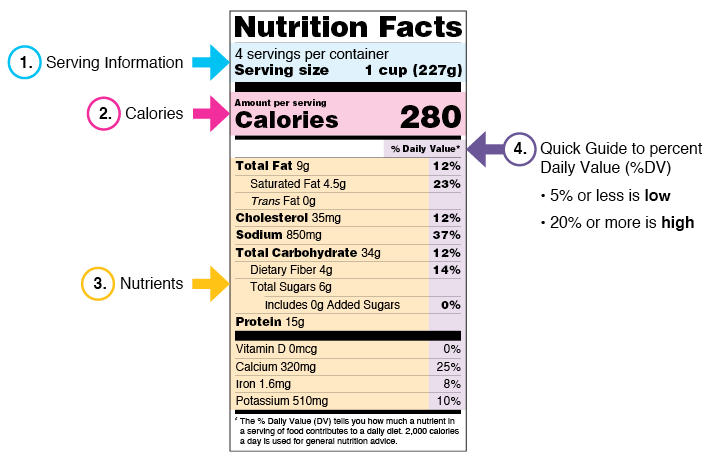
If you can only get a few foods from the store, these labels can help you pick ones that give you the most nutrients possible.
Cooking and Micronutrients
The way we prepare our foods changes the micronutrients available to our bodies. Depending on how we cook, we can change which nutrients we get from our meals.
Some vitamins and minerals can dissolve in water, and others dissolve in fat. That means if we cook our foods with oils or in hot water, the micronutrients may dissolve out of the food and into the pan.
The length and temperature of cooking can also change the nutrition of our food. Some vitamins are sensitive to heat and will be destroyed when cooked too much, others become more and more available as the food becomes softer and easier to digest.
| Vitamin | Water or Fat Soluble | Effects from Cooking |
| Vitamin C | Water | Decreases nutrient |
| Vitamin A | Fat | Increases nutrient |
Luckily our own bodies and cultures already account for the effects of cooking on nutrition. Think about this – if you had to eat carrots every day for a month, would you eat the same meal every day? You would probably begin experimenting with boiling, frying, carrot cakes, salads, and many more styles of cooking. This means that with each meal you would be unlocking different parts of the ingredient’s nutrition.
In traditional foods we can see the same factors at play. Cultures adapt to foods available and develop ways to make the same ingredients as rich, healthy, and delicious as possible.
Eating Wild Plants
Many plants that grow near people naturally have very high amounts of vitamins and minerals. Sometimes they can be higher than those found in stores. The wild foods below are commonly found in urban / suburban areas, and are known to be good sources of nutrition.
WARNING: some of these plants are toxic or deadly if not prepared properly or misidentified.
Protein & Fat:
- Acorns & Wild Nuts
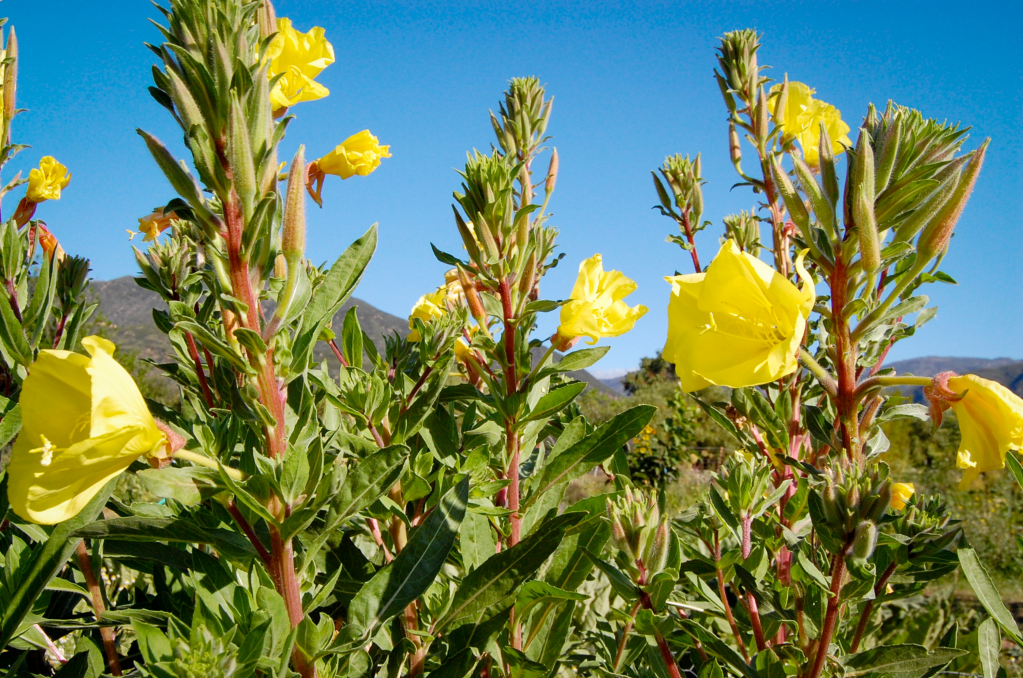
- Evening Primrose seeds / Oenothera biennis (caution: not well studied or commonly eaten)
Vitamin A:
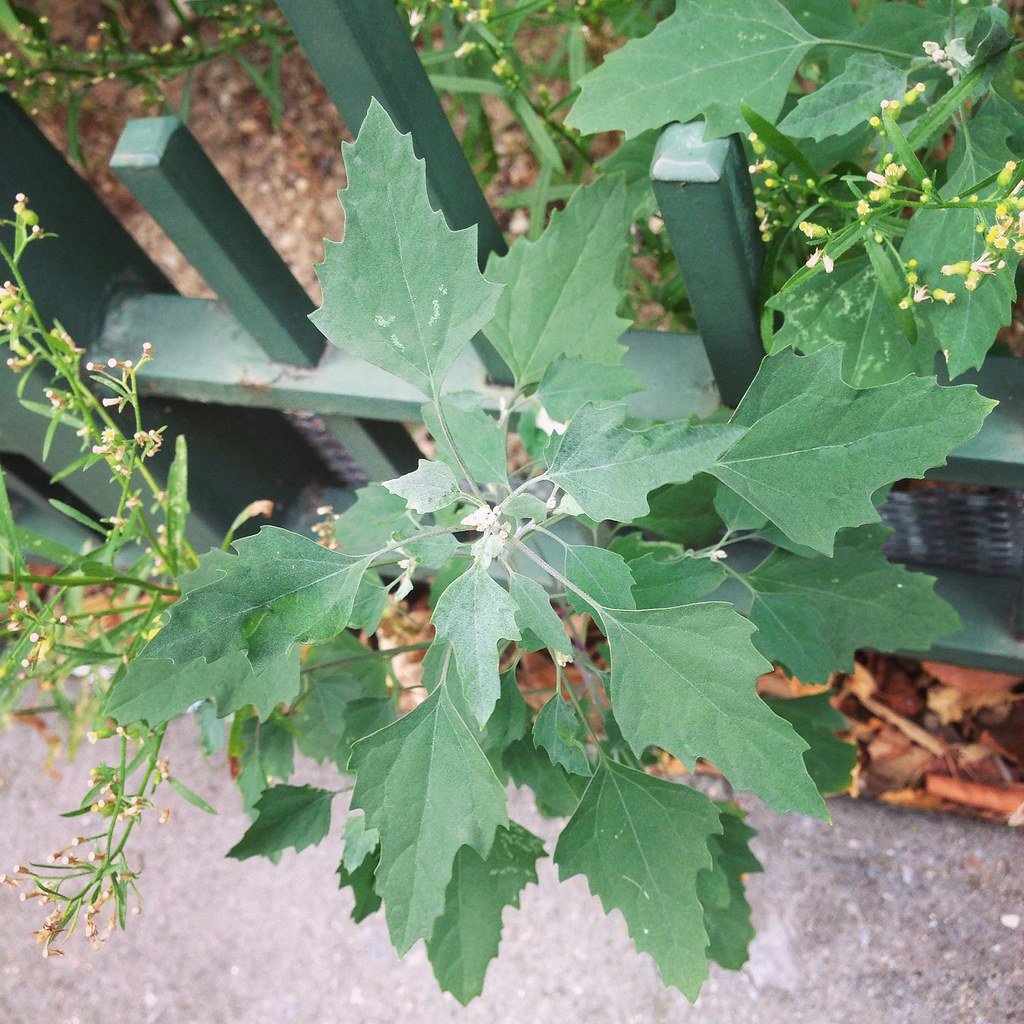
- Lambsquarters / Chenopodium album
- Dandelion / Taraxacum officinale
- Plantain / Plantago major (note: this is not related to the fruit – it’s a common sidewalk weed)

Vitamin B (Thiamine, Riboflavin, Niacin, Folate):
- Acorns & Wild Nuts
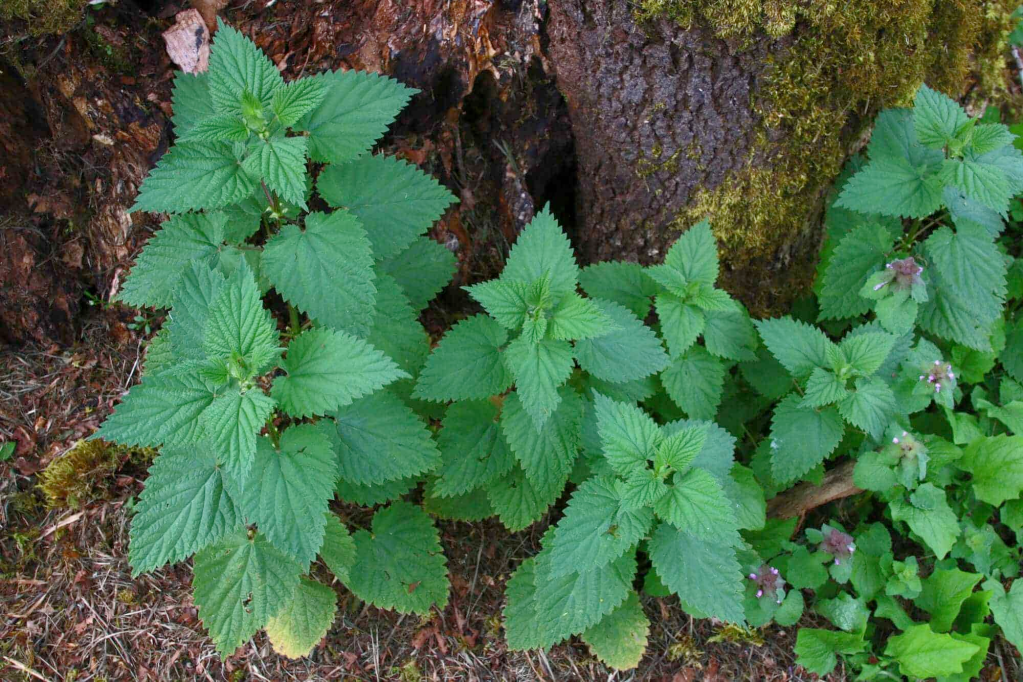
- Stinging nettles / Urtica dioca
- Lambsquarters / Chenopodium album
- Dandelion / Taraxacum officinale
- Wild Mushrooms

Vitamin D:
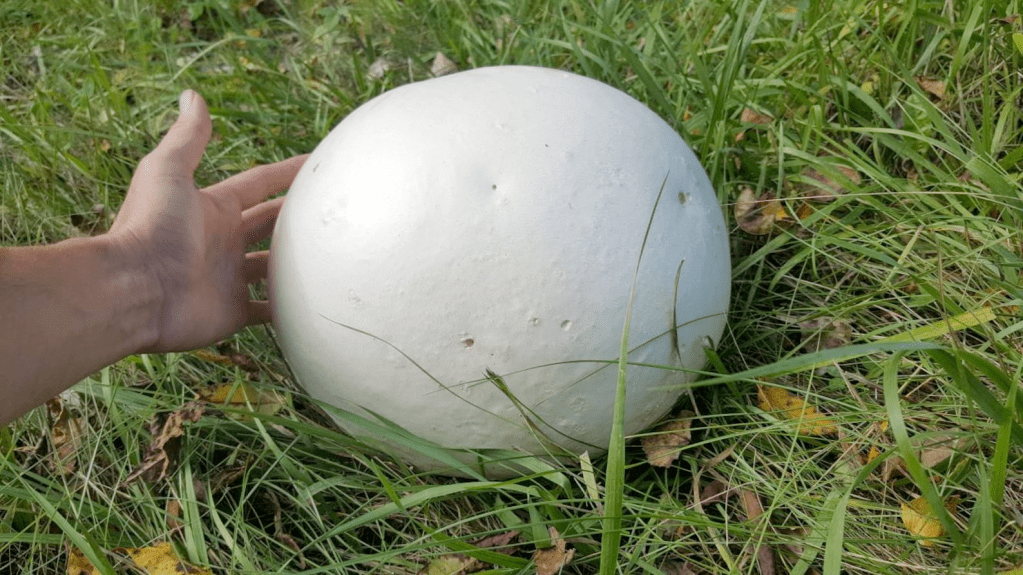
- Wild Mushrooms (note: mushrooms develop vitamin D when in sunlight. Store mushrooms will not have these because they’re grown indoors, but science has shown that some can increase in vitamin D if you leave them outside in direct sun – not through a window – for 15 minutes or longer).
Vitamin C:
- Almost all uncooked fruits and veggies
Iron:
- Evening Primrose seeds / Oenothera biennis (caution: not well studied or commonly eaten)
- Acorns & Wild Nuts
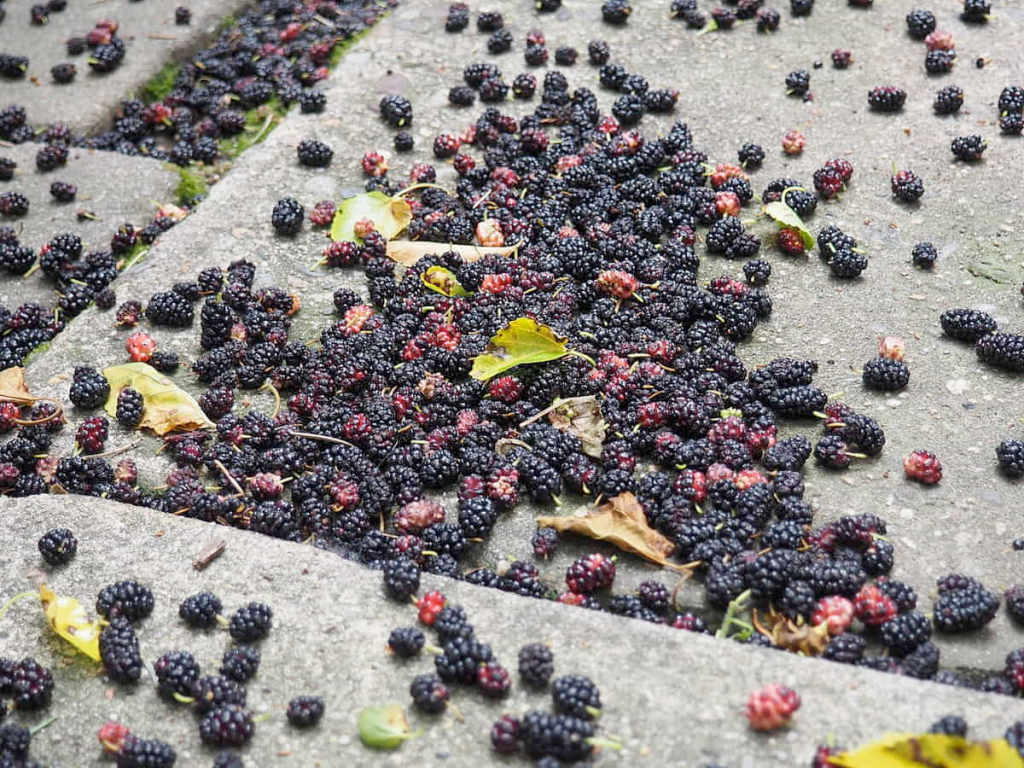
- Mulberry / Morus alba or rubra
- Pokeweed / Phytolacca americana (caution: This is a traditional food in the south, but must be harvested and prepared correctly or it is deadly. Be extremely careful)
- Stinging nettles / Urtica dioca
Calcium:
- Lambsquarters / Chenopodium album
- Dandelion / Taraxacum officinale
It takes skill and practice to learn how to forage safely. In the next chapters we’ll be talking in greater detail about how to harvest wild foods.
Multivitamins
Most people don’t need to take vitamin pills. Doctors agree the best way to get nutrients are from food – your body absorbs them best that way, and you get the extra benefits of a healthy diet. But multivitamins can be a way to close the gaps for people who either have certain health conditions or who have limited diets.
People at different ages and in different circumstances are recommended different amounts of micronutrients. For example, during the early stages of pregnancy vitamin B9 (folate) is needed at much higher doses in order to prevent birth defect. Unfortunately this can be before people realize they’re pregnant, so multivitamins labeled as ‘Women’s Vitamins’ often contain extra folate to ensure B9 is high enough to protect those early weeks in an unexpected pregnancy.
If you decide to take vitamins, you can either take a multivitamin that contains many micronutrients, or ones that focus on specific nutrients. For example vegans often take vitamin B12 pills because they can’t easy get it through their diet. It’s best to talk to a doctor first to make sure there isn’t any health issues that could cause you to feel unwell, and to get a recommendation for which vitamin could be right for your circumstances.

If you decide to purchase vitamins on your own make sure to take one that’s been tested by a trusted organization like the NSF or USP that makes sure the brand isn’t lying about what’s inside the pills, that you take one recommended for people in your situation (such as a child below the age of 10, or someone who could get pregnant), and you never take more than the recommended amount.
Malnourishment
When we don’t have enough nutrients, we fall into a health condition known as malnourishment. This can come from a lack of either macro or micronutrients. Malnourishment of macronutrients is very uncommon. It’s usually the result of famine, war, or absolute poverty.
All macronutrients can be burned by our bodies to produce energy. If we don’t have enough macronutrients of any kind, we will not have energy to burn. This leads to starvation and eventually death.
We also need a minimum amount of each macronutrient for our bodies to function properly. Illnesses like Kwashiorkor (not enough protein) and Protein Poisoning (not enough fat and carbs) can occur when diets are extremely limited – such as in people lost in the wilderness.
As we mentioned before, micronutrient deficiencies are much more common – because they can be caused by diets which are heavily processed or low-variety, especially when fresh fruits and vegetables are not available.
Case Study: Micronutrient Malnourishment in Refugee Camps
Berry-Koch, A., Moench, R., Hakewill, P., & Dualeh, M. (1990). Alleviation of Nutritional Deficiency Diseases in Refugees. Food and Nutrition Bulletin, 12(2), 1–7. https://doi.org/10.1177/156482659001200215
Refugee camps often have minimal access to fresh healthy foods – with workers focusing limited resources on providing people calories to avoid starvation. Researchers looked at data from camps in Malawi, Sudan, Thailand, Somalia, Zimbabwe, and Ethiopia, to see what kinds of malnutrition were present and could be avoided in the future. Several distinct deficiencies of concern were found in camp settings – these included anemia, vitamin A deficiency, pellagra, and beriberi.
Iron-deficient anemia is especially common in children and people who have periods or who have been pregnant. Anemia causes tiredness and difficulty in thinking, and when not addressed in children can result in permanent mental disabilities. When diets don’t contain enough vitamin C or fiber, the body struggles to absorb any iron that might be in foods. The most easily absorbed iron is found in meats and fish, which are generally not available to people in camps.
Anemia can also be caused by low amounts of folate, which is normally found in animal products and fresh vegetables. Folate deficiency also has an additional impact on pregnancies – potentially causing babies to have dangerous deformities – and the parent’s body needs much more folate during pregnancy and nursing.
Vitamin A deficiency is extremely dangerous – causing blindness and death. Growing children need the most vitamin A and so are most at risk of deficiency, but adults also need it to maintain healthy immune systems and avoid both infectious disease and auto-immune issues. Because vitamin A is stored in fat, the body can rely on its existing supplies for a while before beginning to suffer from deficiencies – and so people who have long suffered from food insecurity will be more at risk than those experiencing it for the first time. Leafy greens and animal products are the best sources of vitamin A – a diet consisting of just grains like bread or rice leads to high risk of deficiency.
Pellagra is caused by niacin (also called vitamin B-3) deficiency. This illness appears most common where people receive corn as their main food support and no other good protein source is provided – as niacin is most common in protein-rich foods. In the americas where corn is a traditional part of diets, the grains are processed with a technique called Nixtamalization which cooks corn in lye, ashes, or a rock powder called slaked lime. Nixtamalization causes B-3 to be released from corn. In camps corn is not nixtamalized first but is often provided with dried beans, which would normally provide this essential protein. However, because the camps did not provide enough cooking fuel, they were unable to be incorporated into most refugees diets.
Beriberi is caused by thiamine (B1) deficiency, and results in heart and nerve problems to people of all ages. The disease usually sets in around 3 months after B1 is removed from diets, and can rapidly cause babies to die of heart failure. Thiamin is found in the skin of rice and other grains, so when white rice or polished grains are provided to refugees they become immediately at risk unless other thiamine-rich foods (such as seeds, beans, lentils, peas, or animal products) are also made available. Tubers like yucca and casava do not have high B1 levels (though potatoes do) and so also put people at a higher risk.
Case Study: Micronutrient Malnourishment in American Food Deserts
Canakis, J., Swink, S. M., Valle, N. P., Rivers, D. A., Lim, K. M., Oberlender, S. A., Purcell, S. T., & Bartus, C. (2022). Cutaneous manifestations of nutritional deficiencies in the context of food deserts of United States. Cureus. https://doi.org/10.7759/cureus.29464
Food deserts are places in the US where access to affordable fresh healthy food is limited either by poverty and/or by how far away grocery stores are. Doctors and dermatologists working with food desert patients noticed that some of the complaints they had came from malnutrition, but that researchers had not studied this population in detail.
The doctors wrote that their patients had skin issues that were likely caused by deficiencies of zinc, vitamin A, thiamine (B1), pyridoxine (B6), and vitamin C – which they measured by blood samples.
All of these nutrients are common in fresh foods. Processed foods – especially those that don’t contain rich ingredients – have significantly less, and some vitamins and minerals are totally lost. People living in areas where only processed foods are available face many malnutrition risks which can only be avoided with vitamins or a significant shift in diet – which is nearly impossible without social change to make these foods available.
 Thriving in Scarcity : A book about living well in hard times
Leave a comment