Growing Food Chapter 2 – Reject Survivalist Terraforming
Everyone from conservative tradwives to the black panthers will tell you food self-sufficiency is the path to personal autonomy and freedom. Especially in light of economic downturns and fears around the future, many people are turning to gardening as a way to feel safer in a changing world.
When you look up food self sufficiency online you’ll find numerous videos of people displaying so called ‘survival crops’ and ‘doomsday gardens’. Notably, these gardens are often quite small – in a back yard, urban community garden, or hydroponic indoor system. Their confident pitch hides the obvious truth – there’s no way in hell that garden is feeding a family. But these creators aren’t trying to be realistic, they’re making content for an insatiable audience of terrified people.
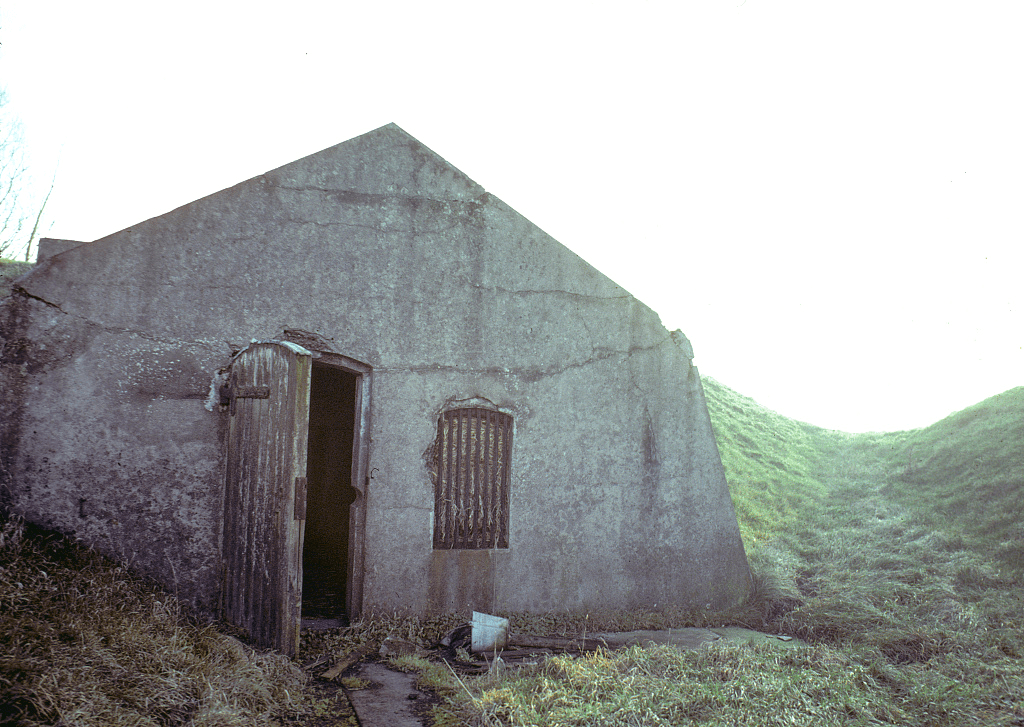
This audience has what we call ‘bunker mentality’ – rigidly focusing on maximizing personal security in the face of absolute disaster. Unfortunately there is no way to prepare for the apocalypse. That means people are trapped on a treadmill, trying to feel prepared, but no purchase or lifestyle change ever provides the feeling of true security.
Bunker mentality at its worst can lead to deepening isolation and selfishness – where the ecosystem, neighbors, loved ones, and future generations, are ignored in favor of continual refinement of one’s security. They dig the bunker instead of live their lives.
This is a book about hard times. We know that preparation isn’t without merit. So we have to walk the line between thriving in scarcity, and digging the bunker. To help us stay focused, we think it’s worth trying to:
- Stay evidence based and realistic
- Retain and deepen ties to community
- Center the ecosystem whenever possible
- Prioritize the vulnerable
- Prepare for likely threats, not worst case scenarios
Realistic Harvests
Chances are, you live in an urban area. 4 out of 5 people in the US live in a city or nearby suburb. Unless you are that 1 in 5 people, relying on a garden as a main source of food won’t work for you. This is a hard truth.
Unfortunately, many people incorrectly assume a small amount of space and a hard working gardener could feed a family if times got tough. Growing food is labor intensive, and each square foot of soil can only produce a limited amount of harvest. There’s a lot of up front investment necessary – either in time or money.
In the most advanced mechanized farms, full of tractors, expensive fertilizers, and skilled full time laborers, the most amount of calories on record in a single harvest is around 16 people fed per acre (16 million calories). One square mile is 640 acres, which would make just over 10,000 people fed per square mile of corn field.
Looking at this map of population density in the USA, we can see that most cities and suburbs converted 100% to corn farming (no buildings, roads, forests, or parks), would be unable to feed the current population density.

We’re able to support these dense cities by having lots of the USA devoted to just growing food without many people living there – these are called farmlands. Cities and suburbs only function when people are able to buy food from farms rather than grow it for themselves.
If your local landscape has more than 10,000 people per square mile, it’s mathematically impossible to grow enough food to feed everyone.
If your local landscape has more than 10,000 people per square mile, it’s mathematically impossible to grow enough food to feed everyone. If you yourself don’t have access to at garden of at least 50’x50′ (1/16th of a square mile) you can’t grow enough food to feed just yourself, even if you had all the tools a modern farmer uses.
For those who want to commit to growing their own food (instead of relying on farms, markets, and stores) it’s important to have realistic goals and put in the time and effort on building up skills that will be worth the investment.
Terraforming
In vegetable gardening and farming alike, open field agriculture with annual vegetables (like corn, soybeans, rice, wheat, etc) have really stolen the show. But it has major downsides. Humans must mimic the work of floods, herds of buffalo, fires – landscape level effects that keep land open for those early pioneer crops have their space.
Ask any farmer how easy the work is, especially without the aid of tractors and chemicals. Backbreaking labor is the norm. This means that for most folks, the effort involved in local food production is high enough to not be realistic. Even with this setback, other hurdles still remain.
Not all land naturally resembles the conditions people grow crops in. As we discussed in prior chapters, depending on the unique bedrock and weather conditions soil may become more dominant in sand or clay. Typically these are undesired soils for gardening. Clay soil is dense and blocks the passage of water – annual crops with pathetic root systems usually wilt and die when growing in clay. Meanwhile sandy soil is fluffy and open, but water drains through almost immediately. That means the soil is often either wet or bone dry, and fertilizers wash away quickly.
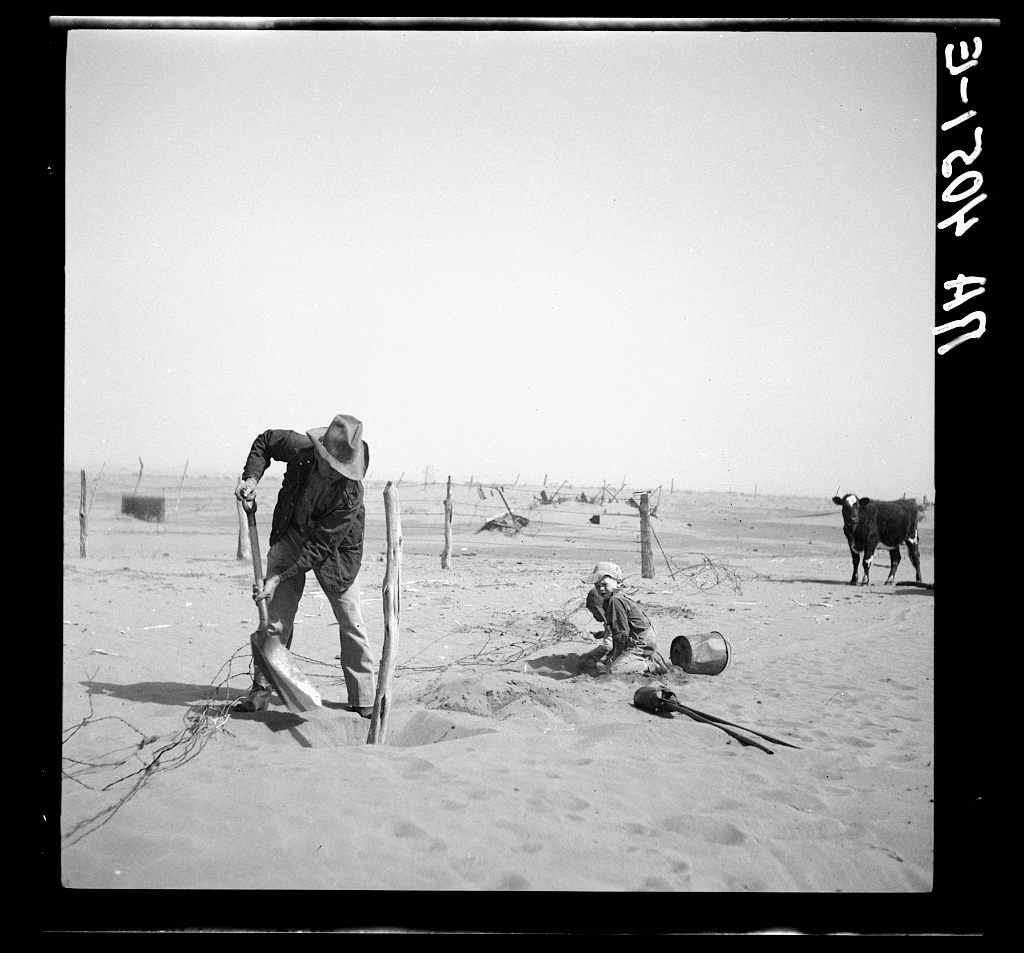
Moisture is yet another factor. When water stays in soil long enough it changes the entire below-ground ecosystem. New microorganisms that live without oxygen begin to thrive in drowned conditions. Species that know how to either live without air or carry it with them become the dominant organisms.
This means that unless your vegetable bed is balanced in moisture and soil composition, most garden plants will die of thirst, hunger, or smothering. When gardeners are faced with these unique landscape conditions and dead veggies, typical wisdom advises transforming the landscape itself:
Hope isn’t Lost
We say all of these pitfalls not to reject the idea of growing food, but to frame solution that might not otherwise be considered:
- Not everyone wants to or can be a farmer
- But some people can be!
- Not all land is suitable for open field vegetable production
- But other landscapes can produce other foods and resources!
- Cities and suburbs don’t have enough space to farm
- But their residents can still improve their well being by growing plants!
In the following chapters we will explore these solutions. In the process we hope you feel inspired to reject bunker mentality. The future can be faced through clear-eyed pragmatic thinking, as long as we refuse to transform people and landscapes against their will. We need to work with the energy of our communities and landscapes to deepen our relationships – not alienate ourselves.
 Thriving in Scarcity : A book about living well in hard times